
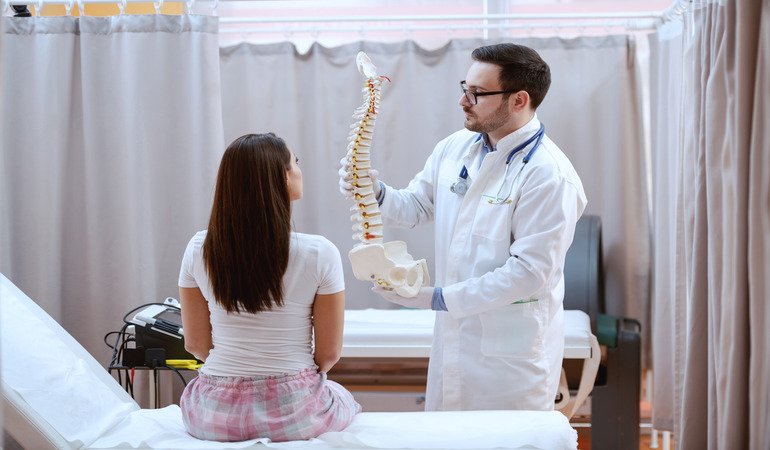
The terms are often used together and even confused, but there is a clear difference between prosthetics and orthotics. Put simply: a prosthetic replaces a missing body part, while an orthotic supports an existing one. Both fall under the same clinical field and are often provided by the same clinic, yet they solve very different problems. This guide explains the distinction in plain language, with real examples of each, so you know exactly which device you or your family member needs.
Prosthetics vs orthotics: quick definitions
Understanding the two words is the fastest way to remember the difference. Both come from Greek roots and both describe custom-made medical devices, but their purpose is opposite.
What is a prosthetic (prosthesis)?
A prosthesis is an artificial device that replaces a body part that is missing, usually after an amputation, injury or a congenital condition where a limb did not form. An artificial leg fitted after a below-knee amputation is a prosthesis because it stands in for the limb that is no longer there. The plural is prostheses, and the field is called prosthetics.
What is an orthotic (orthosis)?
An orthosis is a device that supports, aligns, protects or corrects a body part that is still present but weak, painful, unstable or deformed. A brace worn around a wobbly knee, or an insole placed inside a shoe for flat feet, is an orthosis because the body part is there and simply needs help to work better. If you want a deeper explanation, read our companion article on what is an orthosis.
The easiest memory aid is this: prosthetics replace, orthotics support. Keep that sentence in mind and you will rarely mix them up.
Key differences at a glance
The table below sets the two side by side across the questions patients most often ask: what the device does, common examples, which specialist fits it, and when it is prescribed.
| Aspect | Prosthetics (Prosthesis) | Orthotics (Orthosis) |
|---|---|---|
| Purpose | Replaces a missing body part | Supports, aligns or corrects an existing body part |
| Common examples | Artificial leg, artificial hand, prosthetic foot | AFO brace, knee brace, spinal brace, shoe insole |
| Who fits them | A prosthetist | An orthotist |
| When needed | After amputation or limb loss | For weakness, instability, deformity, pain or injury |
| Body part status | Absent (device stands in for it) | Present (device assists it) |
| Main goal | Restore lost function and appearance | Improve alignment, stability and comfort |
As you can see, the dividing line is whether a body part is present or missing. Everything else, from the professional who fits the device to the reason it is prescribed, follows from that single distinction.
Examples of prosthetics
Prosthetics cover any device that substitutes for a limb or body part that has been lost. In India, the most commonly fitted prostheses at a clinic like Limbgenixx include:
- Prosthetic leg: The most frequently prescribed prosthesis, fitted after below-knee or above-knee amputation. Explore our full prosthetic leg service, and see the different designs in our guide to the types of prosthetic legs.
- Artificial hand: Replaces a hand or arm lost through trauma or disease, from cosmetic hands to functional and myoelectric options. Learn more on our artificial hand page.
- Prosthetic foot: Restores standing and walking for partial-foot or ankle-level amputations.
- Facial and cosmetic prostheses: Restore the natural appearance of an ear, nose, finger or eye after loss.
What unites all of these is that they take the place of something the body no longer has, aiming to restore both function and, where possible, natural appearance.
Examples of orthotics
Orthotics assist a body part that is still there. They range from small in-shoe devices to full-length limb braces and spinal supports. Common orthoses include:
- Ankle-foot orthosis (AFO): Supports a weak or dropped foot, common after stroke or nerve injury. See our ankle foot orthosis service.
- Knee brace: Stabilises an unstable, arthritic or post-surgical knee. Details are on our knee brace page.
- Spinal braces and cervical collars: Support the spine after injury, surgery or in conditions such as scoliosis.
- Foot orthotics and insoles: Realign the foot and relieve pressure in flat feet, diabetic feet or plantar fasciitis.
Every one of these devices works with an existing body part, correcting its position or sharing its load, rather than replacing it. Browse our complete range on the orthotics page.
Prosthetist vs orthotist: the professionals
Just as the devices differ, so do the specialists, though in practice their training overlaps closely. This is the orthotist vs prosthetist question many patients ask.
- Prosthetist: A clinician who assesses, designs and fits prostheses for people who have lost a limb. They take measurements or casts of the residual limb, select components, fabricate the socket and provide gait training.
- Orthotist: A clinician who assesses, designs and fits orthoses to support existing limbs and the spine. They evaluate alignment, muscle strength and joint stability, then create braces and supports.
- Prosthetist & Orthotist (CPO): Many professionals qualify in both disciplines and hold a combined certification. A certified prosthetist-orthotist can manage a patient who needs a prosthesis, an orthosis, or both.
In India, both roles typically require a recognised bachelor's degree in prosthetics and orthotics and registration with the appropriate rehabilitation council. When you visit Limbgenixx, you are seen by clinicians trained across both fields.
Can one person need both?
Yes, and it is more common than people expect. Because a prosthesis and an orthosis solve different problems, a single patient can require both at the same time. Consider these real-world situations:
- A person with a below-knee amputation on one leg who also has an unstable knee on the other leg may wear a prosthetic leg and a knee brace together.
- A diabetic patient may use a partial-foot prosthesis after a toe or forefoot amputation, plus custom diabetic orthotics in the other shoe to prevent further ulcers.
- A patient recovering from a stroke might need an AFO to support a weak ankle while also learning to use a prosthesis for an unrelated limb loss.
This is exactly why it helps to choose a clinic that provides prosthetics and orthotics under one roof, so your care is coordinated rather than split across providers.
Limbgenixx provides both
At Limbgenixx in Gwalior, we are a full prosthetics and orthotics centre. Whether you need an artificial limb to replace a missing part, a brace or insole to support an existing one, or a combination of both, our certified clinical team assesses your needs and fits internationally certified components with proper follow-up. Explore our complete prosthetics services and orthotics solutions to see how we can help you or your family member move with confidence.
Not sure whether you need a prosthesis or an orthosis?
Talk to Limbgenixx specialists in Gwalior — serving patients across Madhya Pradesh and all of India.
WhatsApp Our Team Call +91 9015884467Frequently asked questions
A prosthetic (prosthesis) replaces a missing body part, such as an artificial leg, hand or foot after amputation. An orthotic (orthosis) supports, aligns or corrects an existing body part that is weak, injured or deformed, such as an ankle-foot brace, knee brace or shoe insole. In short: prosthetics replace, orthotics support.
A shoe insole is an orthotic (orthosis), not a prosthetic. It supports and realigns an existing foot that is present but not functioning ideally, for example in flat feet or plantar fasciitis. It does not replace any missing part, so it is never classed as a prosthesis.
A prosthetist designs and fits artificial limbs for people who have lost a body part, while an orthotist designs and fits braces and supports for existing body parts. Many clinicians are certified in both fields as prosthetist-orthotists (CPO), assessing the patient, taking measurements or casts, fabricating the device and providing follow-up and gait training.
Yes. A patient may use a prosthesis to replace one amputated limb and, at the same time, an orthosis to support a weak or deformed limb on the other side. For example, a person with a below-knee amputation and knee instability on the opposite leg may wear a prosthetic leg and a knee brace together.
References & trusted sources
- International Society for Prosthetics and Orthotics (ISPO). ispoint.org
- American Orthotic & Prosthetic Association (AOPA). aopanet.org
- NHS — Prosthetic and orthotic services. nhs.uk